
There’s been renewed debate around the direction of startup ecosystems, especially in India. A recent remark by a senior Indian minister reignited the conversation. The Industry Minister of India, suggested that too many Indian startups rely heavily on consumer sales and e-commerce, without enough focus on deep tech or core innovation—unlike China, he pointed out. That comparison triggered a strong backlash.
Founders and veterans from the Indian ecosystem were quick to respond. Many highlighted the real challenges: low ease of doing business, the return of aggressive tax scrutiny, regulatory complexity, and the limited scale of government capital support—especially when compared to what Chinese startups enjoy.
As someone who’s been in the trenches for nearly three decades, I can say this:
Both sides are right.
Yes, patient capital is hard to come by in many regions, especially in emerging markets like India. Long-term bets are rare, and policy shifts can be unpredictable.
But we also need to hold the mirror up to ourselves. Many of us founders—whether in India, Southeast Asia, or even parts of Europe—tend to be risk-averse. We chase faster returns. We look for proven templates. And moonshots? We wait for someone else to try first. And yes, navigating the regulatory maze in India often feels like running a marathon in quicksand.
Let me share a story from my own journey.
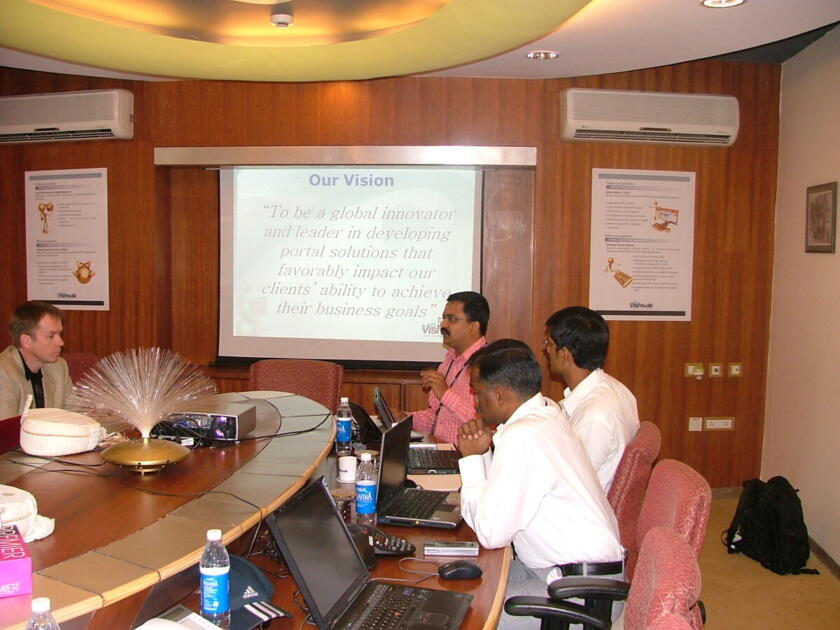
I started my software products and services company back in 1997, largely serving clients in the West. It was a favourable time for Indian tech—liberalisation had opened new doors, and the 1997 “dream budget” by India’s then Finance Minister P. Chidambaram boosted optimism.
By 2004, buoyed by the “India Shining” sentiment, I made a pivot. I took profits from my export business and reinvested into the domestic Indian market, convinced that the local economy was on the brink of a tech boom.
But reality was more complex. Yes, India grew. But the domestic market didn’t scale as fast as I had bet. Meanwhile, Indian IT services for global clients entered a golden decade. From 2005 to 2015, that wave lifted many ships—but I missed the early part of it, having focused inward. The 2008 global financial crisis made things worse. Ironically, it was by returning to international clients—particularly in the U.S.—that I managed to grow the business faster.
So, what’s the takeaway?
The India of 2025 is not the India of 2005. And globally, emerging startup markets have matured. The domestic tech scene in countries like India, Indonesia, Brazil, and Nigeria is buzzing—with SaaS, vernacular platforms, and AI-led transformation across sectors.
But export markets still matter. Global revenue builds resilience.
Founders today—regardless of where you’re building—should balance their bets. Keep one foot rooted in local innovation: climate tech, regional AI, agriculture, logistics, whatever speaks to your context. But plant the other foot in the global economy—where scale, discipline, and dollar revenue still count.
Stay alert to policy shifts. Build with compliance in mind. Don’t swing with hype. And don’t panic at the first stumble.
Rebalance. Realign. Rebuild.
Build patiently. Iterate frugally. Compound not just revenue, but your reputation. The best founders think in decades, not quarters.